Spain Threatens Boycott of 2026 World Cup Over Israel’s Participation
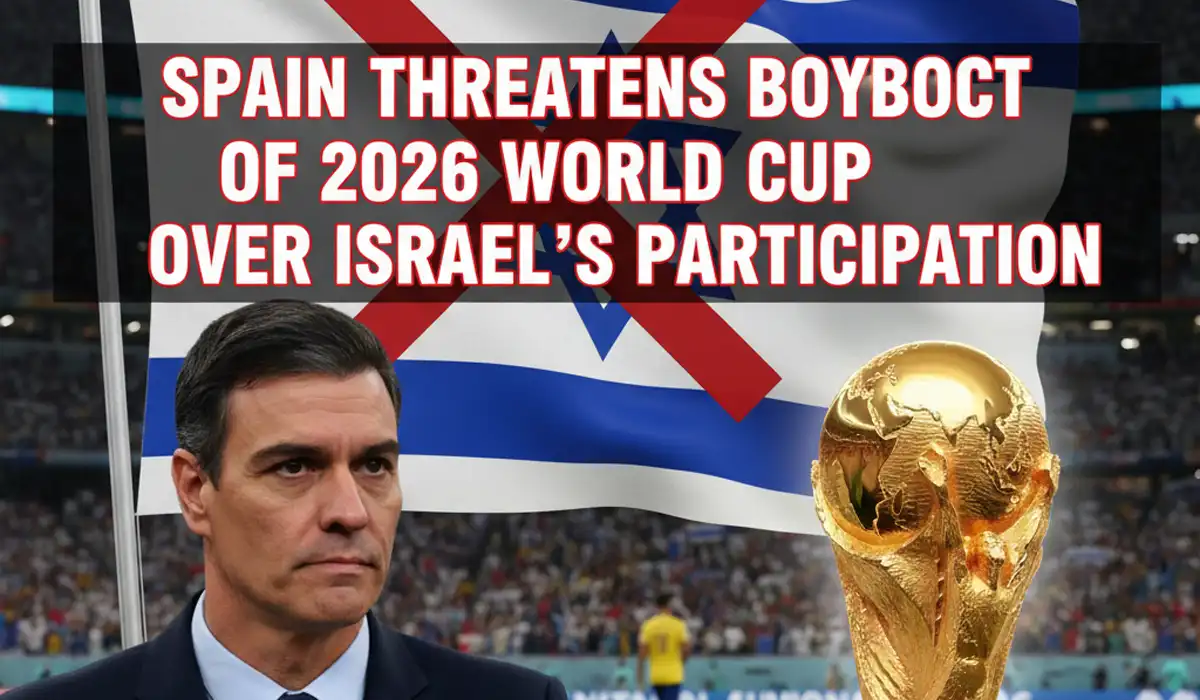
Madrid, Spain — Spain has warned it could boycott the 2026 FIFA World Cup if Israel is allowed to participate, sparking a heated debate at the intersection of sports and politics. The move reflects growing political and public pressure in Spain amid the ongoing Gaza conflict and renewed scrutiny of Israel’s actions.
Spanish Officials Raise Concerns
Patxi López, spokesman for Spain’s Socialist Group in Parliament, said this week that Spain cannot ignore Israel’s role in the conflict. He suggested that if FIFA permits Israel to compete, Spain may have no choice but to withdraw from the tournament.
“We cannot separate sport from reality. If Israel continues to be treated as a normal participant while serious violations are taking place, Spain will consider its position in the World Cup,” López told lawmakers.
Spain’s Sports Minister, Pilar Alegría, echoed the sentiment, stressing that international sporting bodies must also uphold human rights. “Sport is not disconnected from the world we live in. If we want values of fairness and respect, they must apply everywhere,” she said.
No Official FIFA Notice Yet
As of now, Spain’s football federation has not sent an official withdrawal letter to FIFA, nor has the government issued a formal decision. The warnings are conditional—Spain is signaling that a boycott remains an option if the international football community does not take a stance on Israel’s participation.
This distinction is important. Headlines about Spain “pulling out” of the 2026 World Cup are premature. What has happened is a political warning, not a confirmed exit.
Political and Sporting Implications
If Spain were to follow through, the consequences would be significant:
- Competitive impact: Spain is one of Europe’s strongest national teams. Its absence would weaken the tournament’s quality and global appeal.
- Political precedent: A boycott over political and human rights concerns could encourage other countries to take similar action.
- Pressure on FIFA: The governing body may be forced to address whether conflicts and human rights violations should affect eligibility.
A Wider Context
The debate comes against the backdrop of heightened criticism of Israel’s military operations in Gaza. Spain has taken a strong diplomatic stance, with both political leaders and public protests pushing for stronger action. This latest development brings those tensions into the world of sport, raising questions about how much politics should influence global competitions.
What Happens Next?
For now, Spain’s threat remains a political message rather than a final decision. FIFA has not commented on the matter, and Israel has not yet secured qualification for the 2026 World Cup.
Still, the warning from Madrid highlights how international football can quickly become a stage for global politics. Whether Spain actually withdraws may depend not only on Israel’s qualification but also on how FIFA chooses to handle mounting political pressure.