RFK Jr.’s Vaccine Panel Alters Childhood Guidelines: MMRV and Hepatitis B Rules Revised
In a major shift to U.S. vaccination policy, the Centers for Disease Control and Prevention’s (CDC) vaccine advisory panel — recently restructured under Health Secretary Robert F. Kennedy Jr. — has approved changes to childhood immunization guidelines. The decisions have sparked debate among public health experts, pediatricians, and parents.
MMRV Vaccine No Longer Recommended for Under-4s
The Advisory Committee on Immunization Practices (ACIP) voted 8–3, with one abstention, to withdraw its recommendation for the combined measles, mumps, rubella, and varicella (MMRV) vaccine in children younger than 4 years old.
Instead, the panel recommends giving two separate shots: the MMR vaccine and the varicella (chickenpox) vaccine.
The decision follows concerns over a slightly higher risk of febrile seizures (fever-related convulsions) when very young children receive the combined MMRV dose between 12 and 23 months of age. While these seizures are generally short-term and not life-threatening, they played a key role in the panel’s ruling.
Hepatitis B Birth Dose Under Review
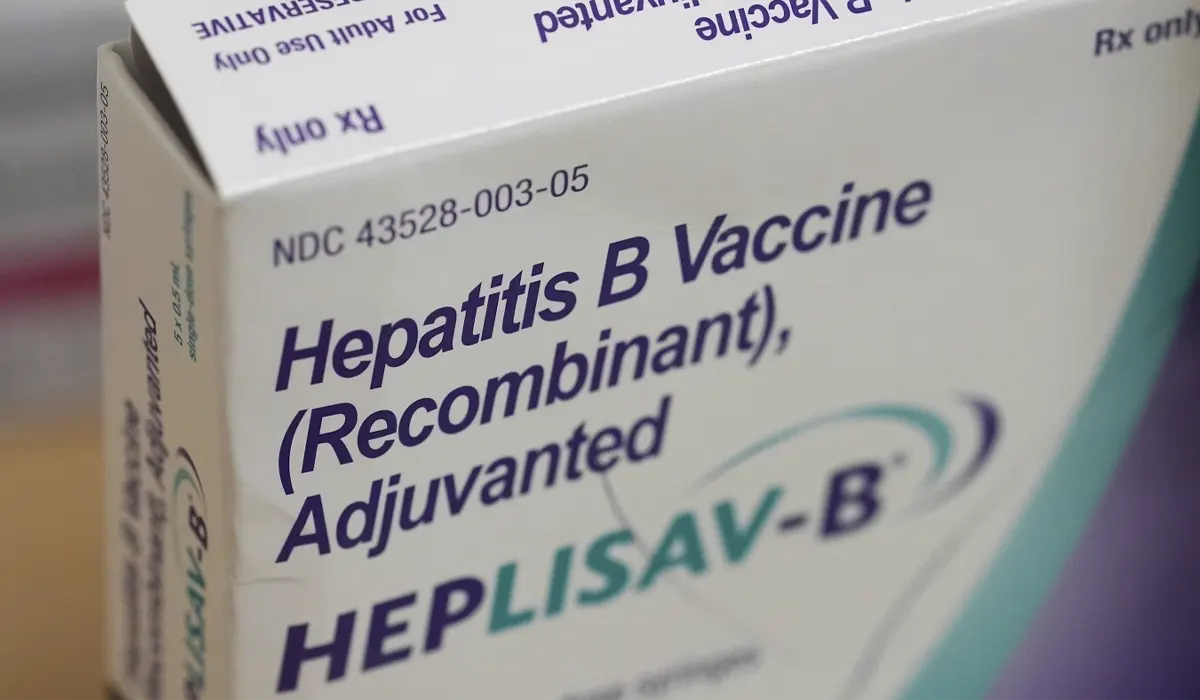
Another controversial move involves the hepatitis B vaccine, which is currently administered within 24 hours of birth. The panel is considering delaying the first dose until one month of age for babies born to mothers who test negative for hepatitis B.
This approach would shift the decision to doctors and parents through shared clinical decision-making, rather than a blanket recommendation for all newborns.
Coverage Questions Remain
Although the MMRV vaccine is no longer recommended for children under 4, the panel voted against removing it from the Vaccines for Children (VFC) program. This means families using the federal program may still access the combined shot, potentially causing confusion for parents and providers.
The new recommendations will only become official once they receive final approval from the CDC director.
Why It’s Controversial
The move has drawn attention not only for its medical implications but also for the politics surrounding it. The ACIP was recently overhauled, with all previous members replaced by appointees selected by Kennedy — a longtime vaccine skeptic. Several of the new members share critical views of current vaccine policy.
Health experts warn the changes could undermine public trust in vaccines. “The risk of febrile seizures from the MMRV is extremely small, while the benefits of high vaccination coverage are enormous,” said one pediatric epidemiologist. Others argue the revisions reflect unnecessary politicization of scientific decisions.
What Parents Should Know
- Children under 4 will now be advised to get two separate shots for MMR and varicella.
- Hepatitis B at birth may shift to a delayed schedule for certain infants, depending on CDC approval.
- Families should consult their pediatricians to understand how these changes affect their child’s vaccination plan.
The Bigger Picture
The decisions mark the first significant policy changes by the newly restructured vaccine panel under RFK Jr.’s leadership. As the CDC director reviews the recommendations, the debate over balancing safety concerns, public confidence, and disease prevention is likely to intensify.